
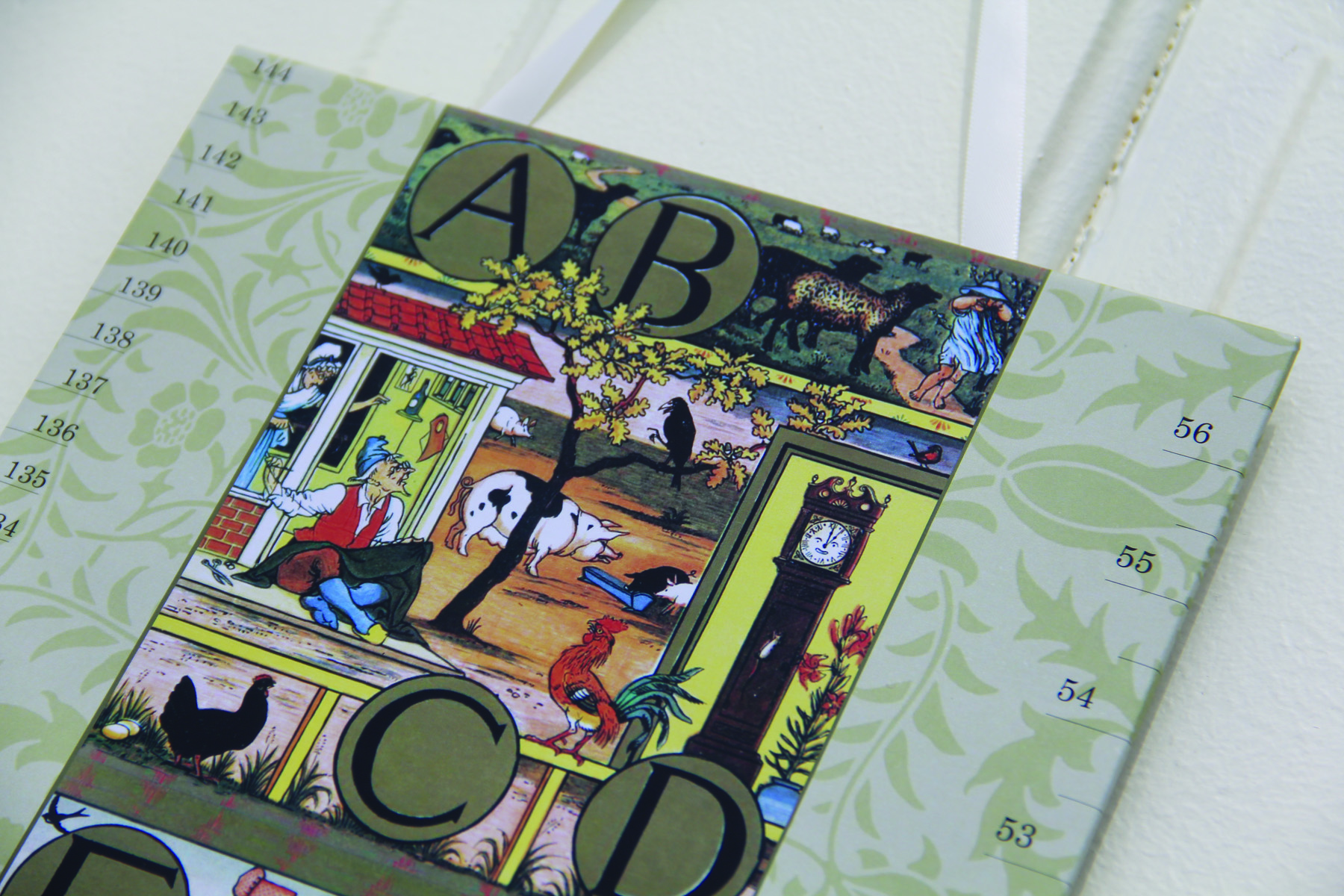
Walter Crane’s illustrations for the “An Alphabet of Old Friends” published in 1892, is the basis of this Apples In Winter growth chart.
To order, visit the Apples in Winter Shop on Etsy
About the artist
Born in Liverpool in 1845, Walter Crane moved with his family to Torquay and then to London in the hopes of improving his father’s health. A portraitist and miniaturist, Walter’s father Thomas Crane set a fine example for young Walter and Walter spent many quiet hours copying and creating in his father’s studio.
His father died of consumption, but by 13-year-old Walter showed sufficient proficiency to gain an apprenticeship with the respected lithographer William Linton and Linton proved to be a strong supporter of Crane over they years and also highly influential for his political views. Following his apprenticeship, Walter took illustration jobs as he could find them and had his oil painting, the Lady of Shalott exhibited by the Royal Academy when he was only 17, though to his chagrin he was to have only one other painting accepted by the Academy in future years.
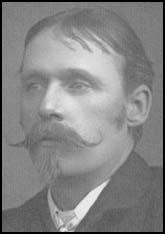
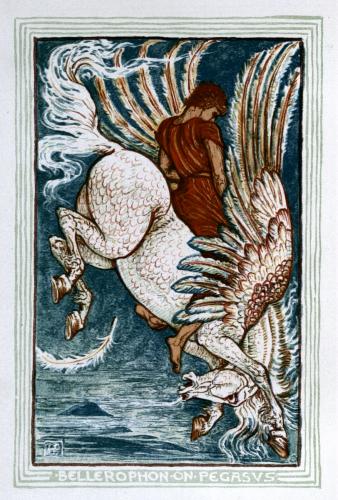
Inspired by Edward Burn-Jones, Japanese woodcuts, Greek artists, and his contemporaries, Crane gained notice for his innovative illustrations for children’s “toy books” – which drew upon new advances in book printing and colouring techniques. His style shows an attention to the whole of the book beyond just adding illustrations – his frontispieces and endpapers for instance are often intricate works too, to the point where book publishers complained of the quantity of books that needed to be sold to merit the expense of the illustrator.
Friends with renowned wallpaper and textiles designer, William Morris from the 1880s onward and himself president of the Arts and Crafts Society, Crane also designed textiles, ceramics and wallpaper and was adamant that art should be available to all classes. An active socialist, Crane designed numerous posters, cartoons and political illustrations to advance fair labour practices, helping to found the Art Workers’ Guild in 1884 and the Arts and Crafts Exhibition Society in 1888.
Three months after his wife was killed by a train, Crane died on March 14, 1915.
He is remembered as a prolific and highly influential artist, whose children’s book illustrations in particular have had a lasting influence.
For further reading
Walter Crane’s toy books University of Reading
Walter Crane’s Children’s Illustrations for the Cause
Spartacus International – Walter Crane


 apples in winter